Comparing Winter Quilt Backings
We’ve written lengthy blog posts about 3 of our favorite and most common winter quilt backings. Microfiber Blankets, Flannel, and Minky. They can be a lot to sift through so we thought we would put together a side by side comparison of these backings to help you make a decision about which works best for you and your next winter quilt.
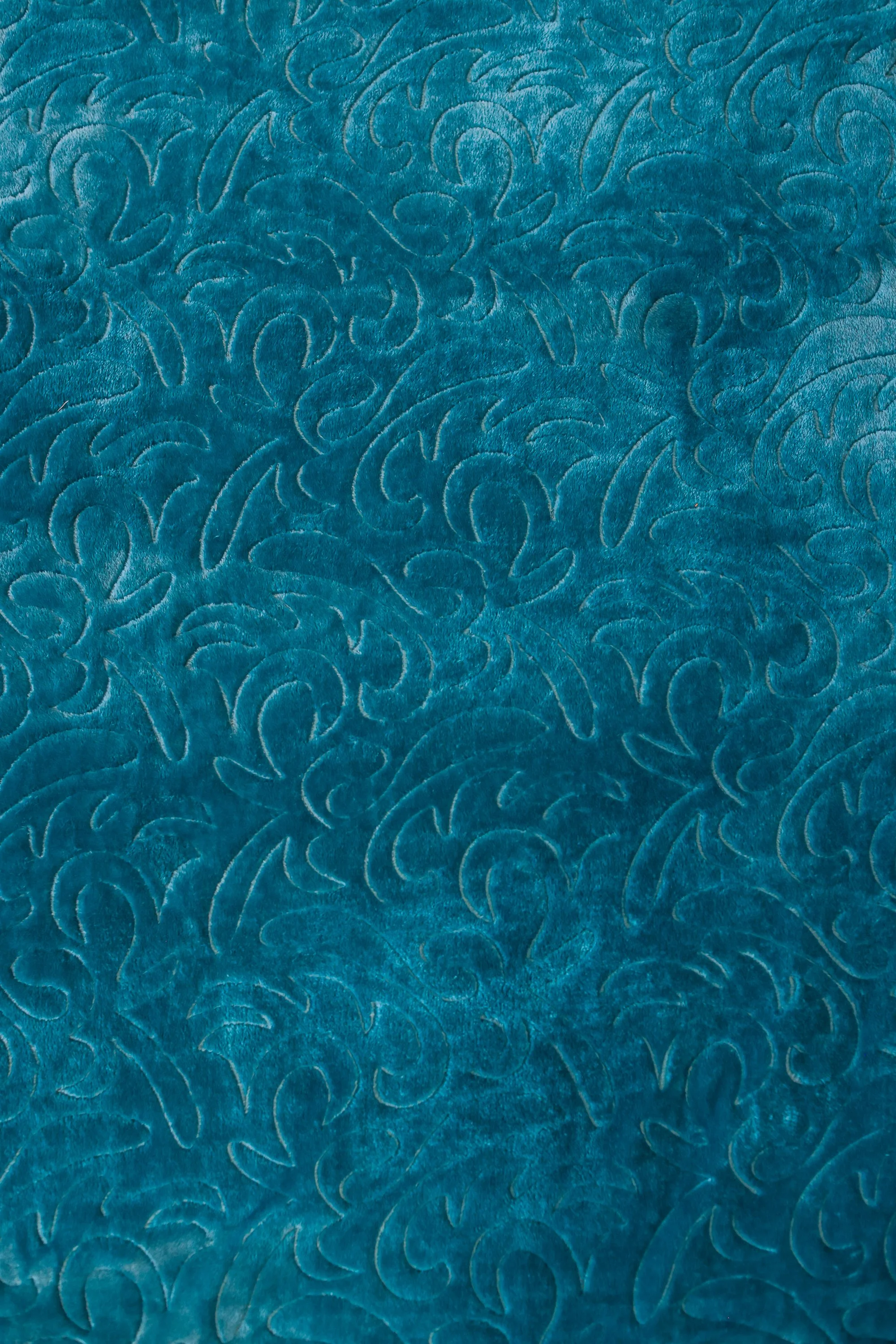
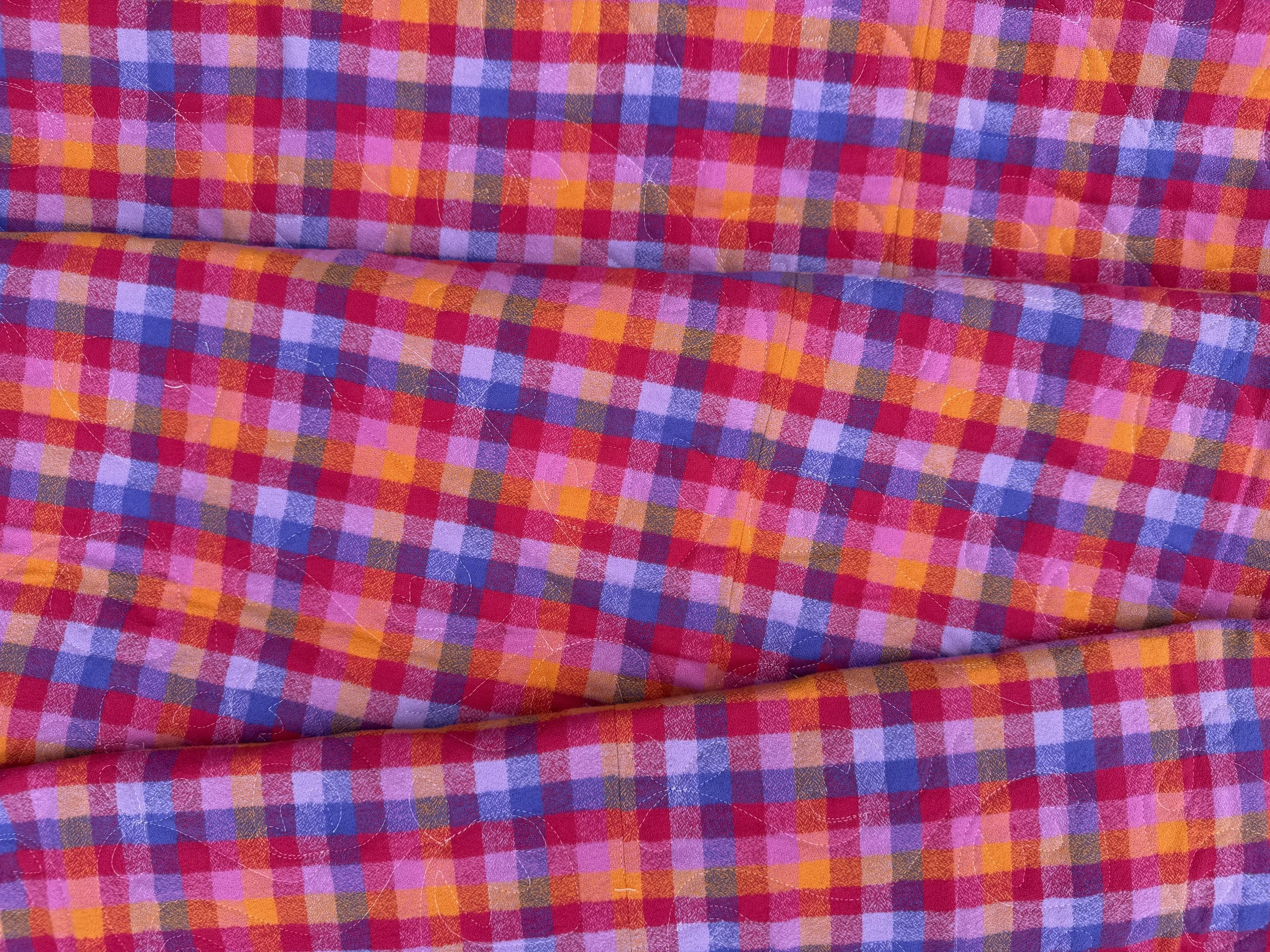
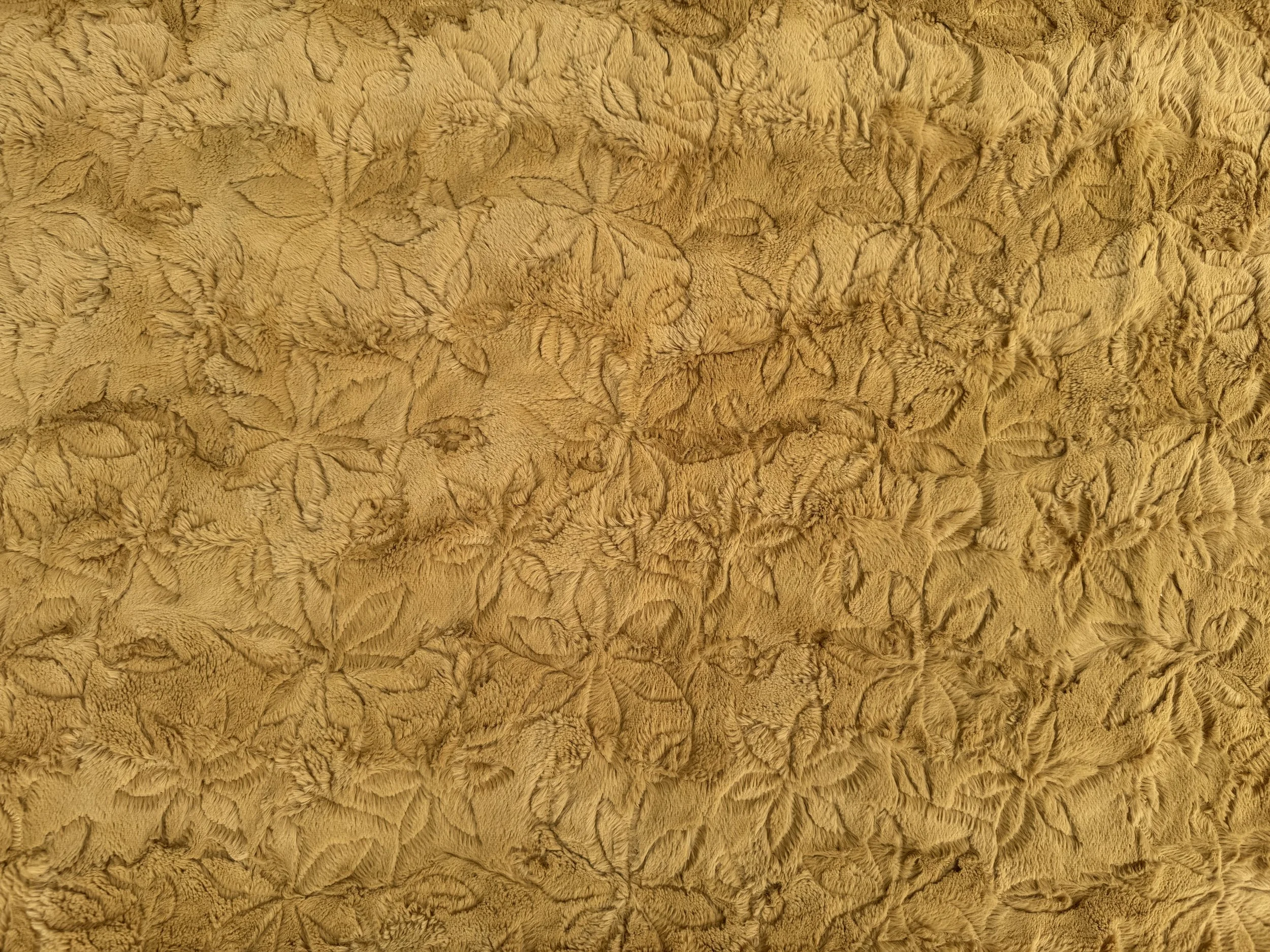
| Winter Quilt Backing Comparison | |||
|---|---|---|---|
| Flannel vs. Minky vs. Microfiber Blankets | |||
| Feature | Flannel | Minky | Microfiber Blanket |
| Best for | Traditional winter quilts | Extra-cozy quilts and cuddly quilts | Budget-friendly and lighter weight cozy quilts. |
| Fiber | Cotton, often 100% and sometimes organic | Polyester | Polyester |
| Feel | Brushed, structured, soft and gets softer over time. | Velvety, luxurious and occasionally plush | Soft, smooth, plush, blanket-like |
| Warmth | Warm | Very warm | Warm |
| Stretch | Moderate | Moderate to high | High |
| Lint / shedding | Unwravels at raw edges, can pill over time. | High shedding when cut, low pilling and shedding overall. | High shedding when cutting, low shedding overall. Can pill over time. |
| Environmental positives | Cotton is a natural fiber, flannel is often 100% cotton, and it is easy to find organic flannel. | Long lasting and can be used for years. | Easy to reuse a blanket rather than purchase new one. |
| Environmental negatives | Cotton production uses lots of water and there are often lots of chemicalls used in the agricultural,dying and manufacturing processes. | Synthetic polyester uses oil in production, releases plastic microfibers during washing | Synthetic polyester uses oil in production, releases plastic microfibers during washing |
| Piecing | Fine. Use pins and a walking foot. | Avoid when possible. Use pins and a walking foot. Ensure the stretch and the nap are going in the same direction. | Do not piece. Buy size large enough for the quilt top. |
| Prewashing | Recommended: high shrinkage and potential for color bleed | Not necessary: does not typically shrink or bleed | Recommended: does not typically shrink or bleed, but will eliminate packing creases, factory smells, loose fibers and will give indications if pilling will be a problem. |
| Care Instructions | Wash in lower temperatures and with color catchers first few times. Low temp or air dry. Expect some shrinkage and crinkle. | Wash in lower temperatures and low temp or air dry. | Wash in lower temperatures and low temp or air dry. |
| Typical Widths | 42" - 44" and some 108" widebacks | 58" - 60" and some 90" widebacks | Come in blanket sizes such as 50" x 60", 60" x 80", 90" x 90", and 108" x 90" |
| Where to purchase | Fabric stores both in person and online | Fabric stores both in person and online. | Home goods stores such as Target, JCPenny, and Costco. Amazon. |
| Will TCQ work with it | Yes | Smooth, printed, and some textures like faux fur are typically fine. Will not work with minky dot, super thick sherpa types and may refuse poorly pieced minky. | Single layer double sided blankets are fine. Multi layered, extra thick, or sherpa types are not accepted. |
| Longarm ease | Generally easy when prepared properly | Challenging | Challenging |
| Quilting visibility | Dependent on the print or pattern but generally just fine. | Excellent on solid colored smooth minky. Poor on textures such as faux fur. | Excellent on solid colors. Mixed on textured or printed blankets. |
| Thread Color | Use whatever color best compliments the quilt top and backing. | Some flexibility though matching thread to backing color is a safe option in case fibers pull through | Match thread color to backing color to hide any fiber that pull through to the quilt top. |
| Panto Limitations | None | Potentially depending on orientation of the quilt top in relation to the stretch of the minky. | None |
| No Batting | Occasionally fine for super light yet warm quilt. | Occasionally fine for lighter impact of a cozy quilt. Good option for kid quilts. | Sweet spot - best drape, weight, and warmth. Substitute a white quilting cotton layer to prevent color distortion if necessary. |
| Low loft batting such as TCQ's bamboo blend | Great for all purposes. Good drape, weight, and warmth. | Sweet spot - nice drape, best texture, weight and warmth. | If batting is required this is most recommended. Good drape, weight, and warmth. |
| High loft batting such as TCQ's wool offering | Great for extra warmth and weight. Lose drape. | Not recommended - synthetic fibers cancel out several of the benefits of wool batting. Benefits might be the thickness and weight, however it sometimes becomes too thick for the longarm to pass over. | Not recommended - synthetic fibers cancel out several of the benefits of wool batting. Benefits might be the thickness and weight, however it sometimes becomes too thick for the longarm to pass over. |
* We understand that many folks have environmental concerns about using synthetic materials like minky and microfiber. These are well founded and worth a deeper dive. We certainly think about these things when writing about them, working with them, and debating whether or not to use them in our own homes. We are working on a blog post that will discuss ways you can help minimize the impact of these items should you choose to have them in your quilts.
At TCQ we’ve worked with these backing options for 10 years now and while this table reflects our professional experiences, you are certainly welcome to develop your own preferences for your own reasons. There is no right or wrong, just situational preferences that work in the moment. If you have the time and space, try a few combinations that sound appealing to you on quilts that are not super important. This will help guide you as your preferences evolve so when that perfect quilt comes around you know just what you want.
As always, don’t hesitate to reach out with questions. We are happy to chat!
Thanks!
-Lilo