Flannel as a Quilt Backing
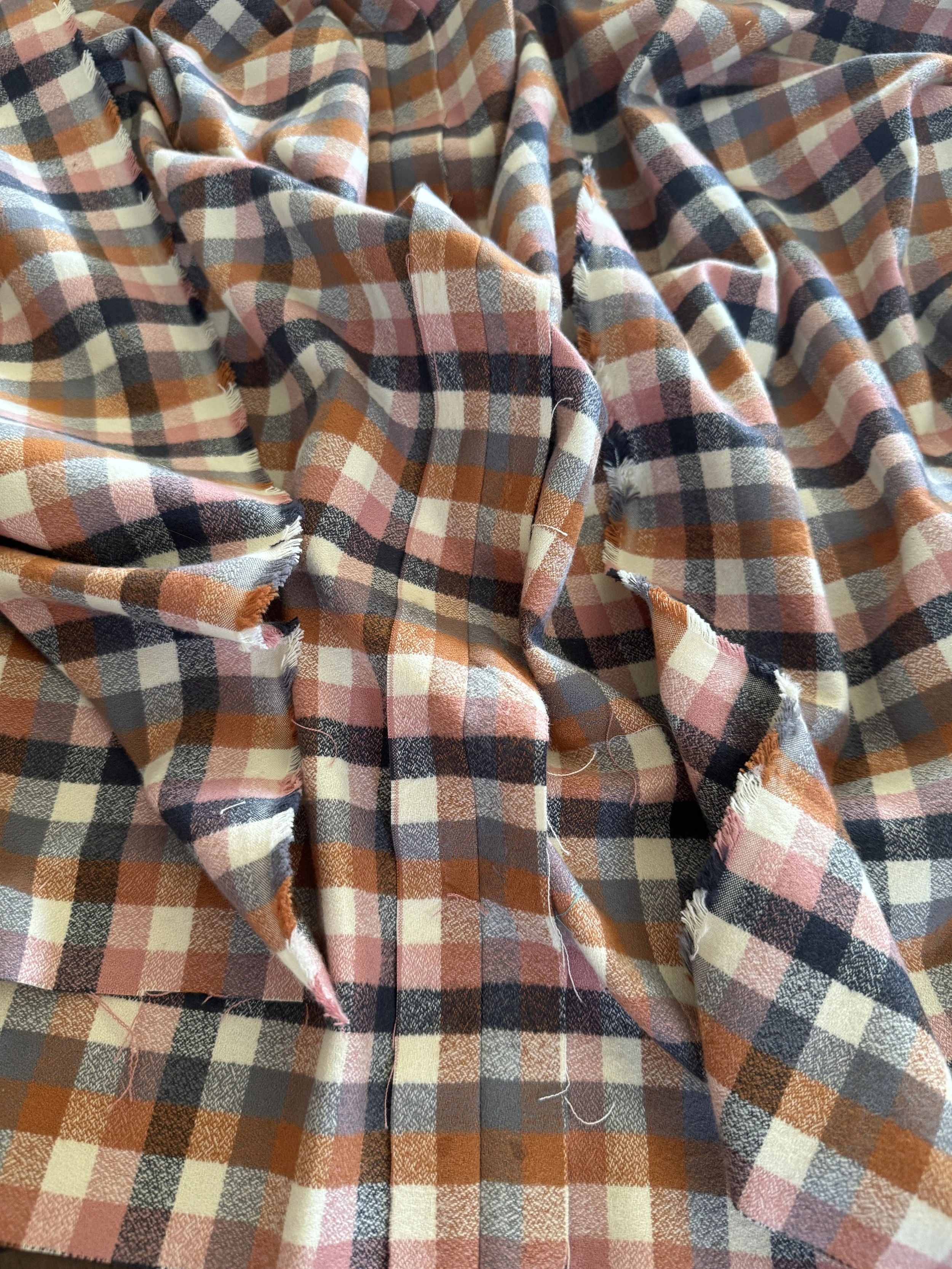
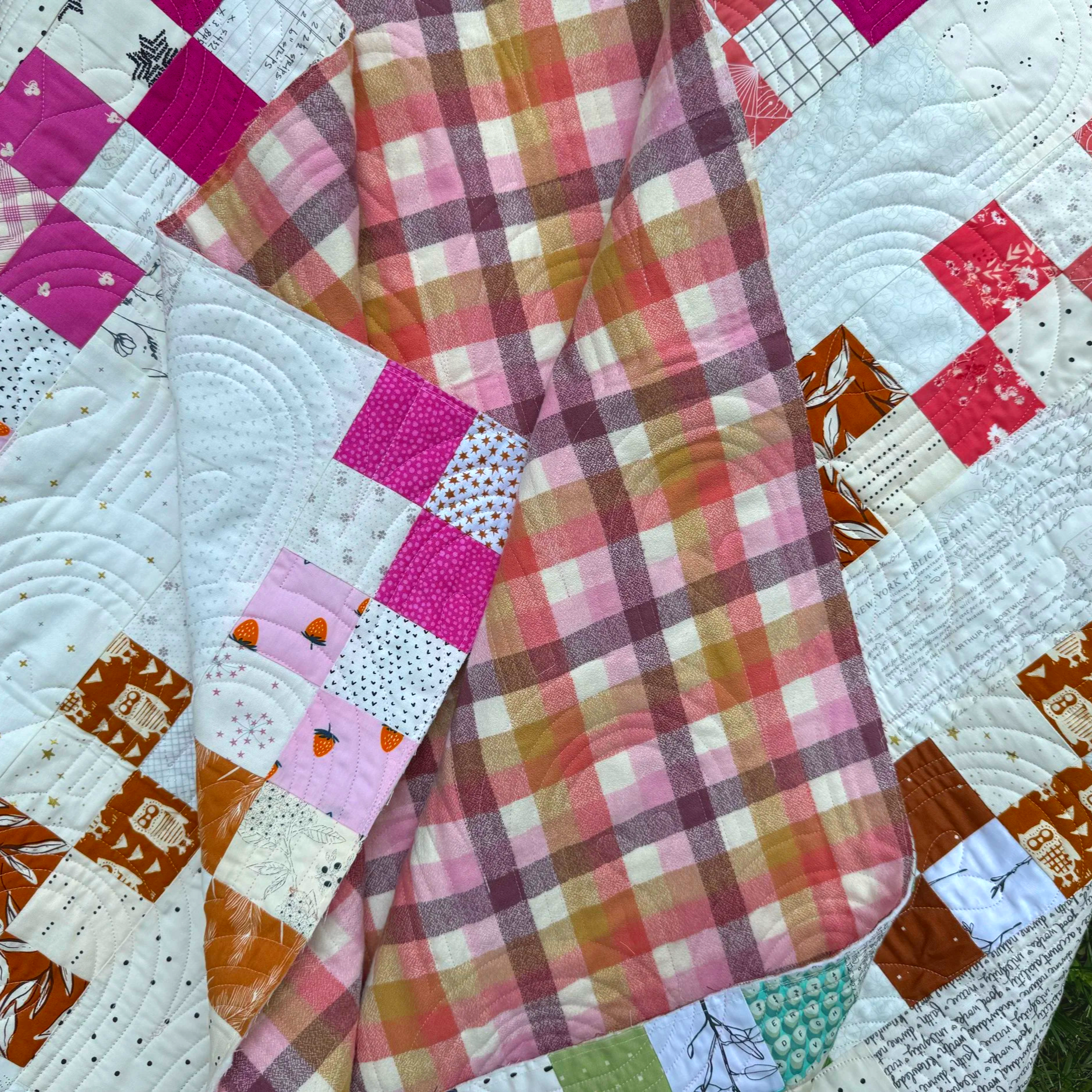
FLANNEL. Just saying the word gives me all the snuggly, hot chocolate in front of the fireplace feels. Mmmmm, deliciously cozy! If you are looking for a wonderfully soft and cozy quilt backing, flannel is an excellent choice. However, flannel behaves differently from quilting cotton, and understanding those differences can help you decide whether it's the right choice for your quilt. Below I chat about using flannel for your quilt backing, what to watch out for, what to expect, and how to set you and your longarmer up for flannel success.
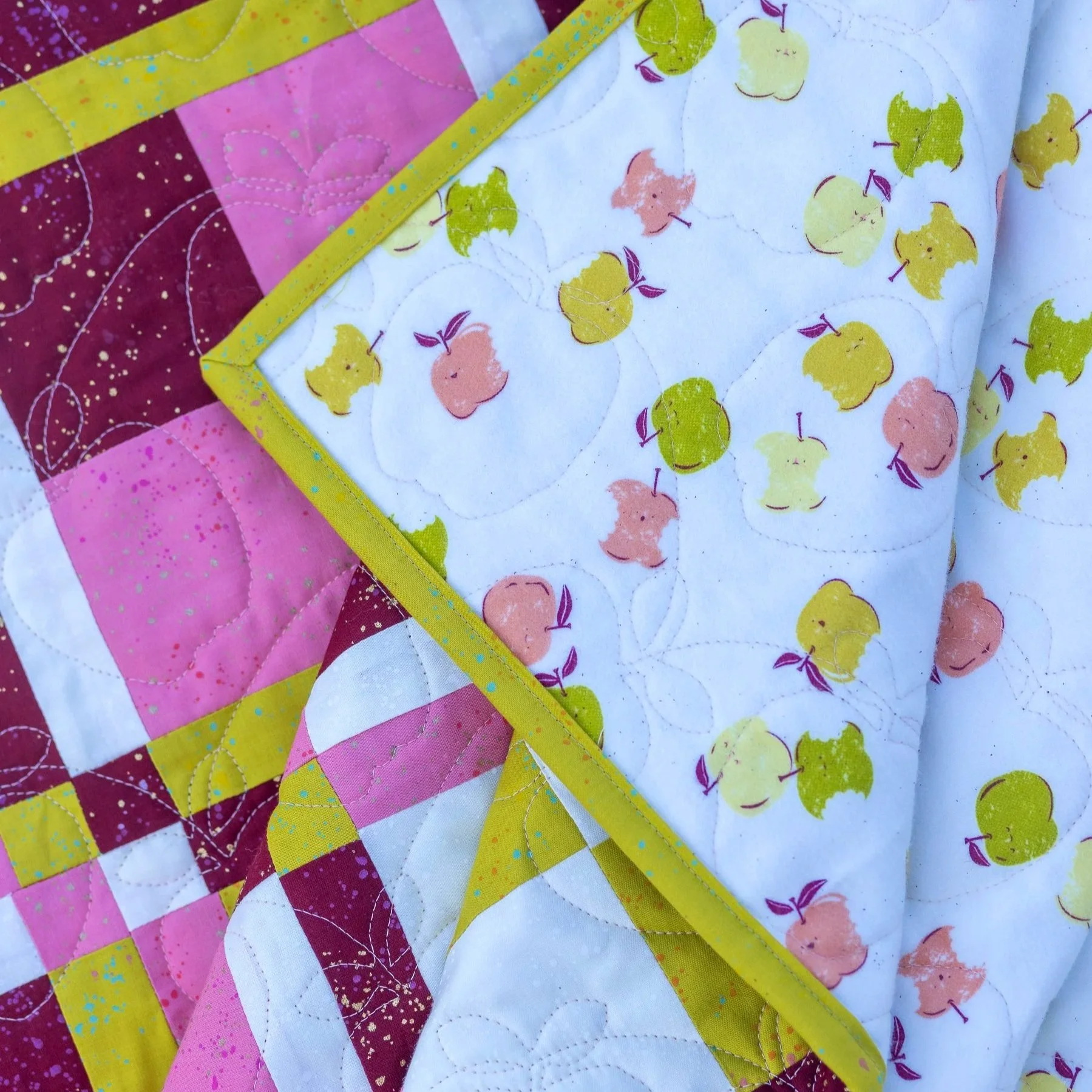
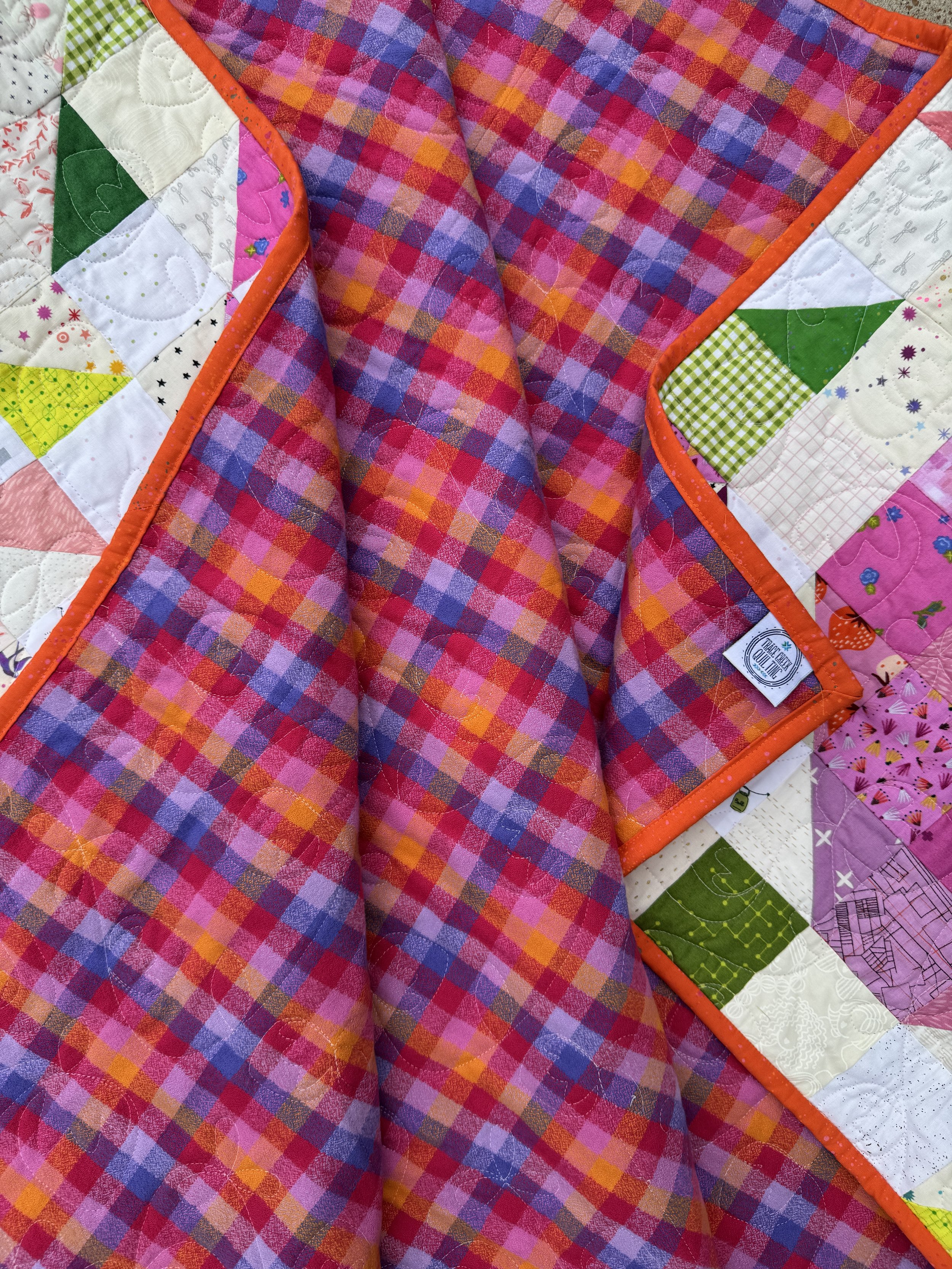
Thinking about other winter quilt backings? Check out our Microfiber Blanket and Minky blog posts here, as well as our comparison chart post here!
Flannel is typically made with thicker, softer yarns with a looser weave than regular quilting cotton. Because of this construction you get extra:
Softness: The surface of flannel is brushed, sometimes on both sides, for that wonderful softness against your skin.
Weight: A flannel backing is heavier and can give a quilt a substantial, comforting feel.
Warmth: Between the softness of the fibers and the extra weight, quilts backed in flannel are great for extra warmth.
Variety: Plaids, stripes, florals, solids, and novelty prints offer plenty of design options.
Durability: Flannel will hold up to regular use and washings.
Natural: There are plenty of 100% cotton flannels to pick from and some of my favorites, like the Mammoth Flannels from Robert Kaufman, are even organic.
Knowing these things helps us understand how flannel will behave, how we can work with it successfully, and if it is right for backing your next project. Here is how we recommend moving forward with flannel as a backing fabric, particularly if you are sending it off for longarming.
(Quick note: All of this information comes from my experience, conversations with others in the industry, and the occasional Google search. Feel free to deep dive on your own for further details. Also, always double check with the longarmer you intend to use for your flannel backed quilt as they may have different or additional thoughts on how they prefer to handle flannel. Okay - back to your regularly scheduled programming: )
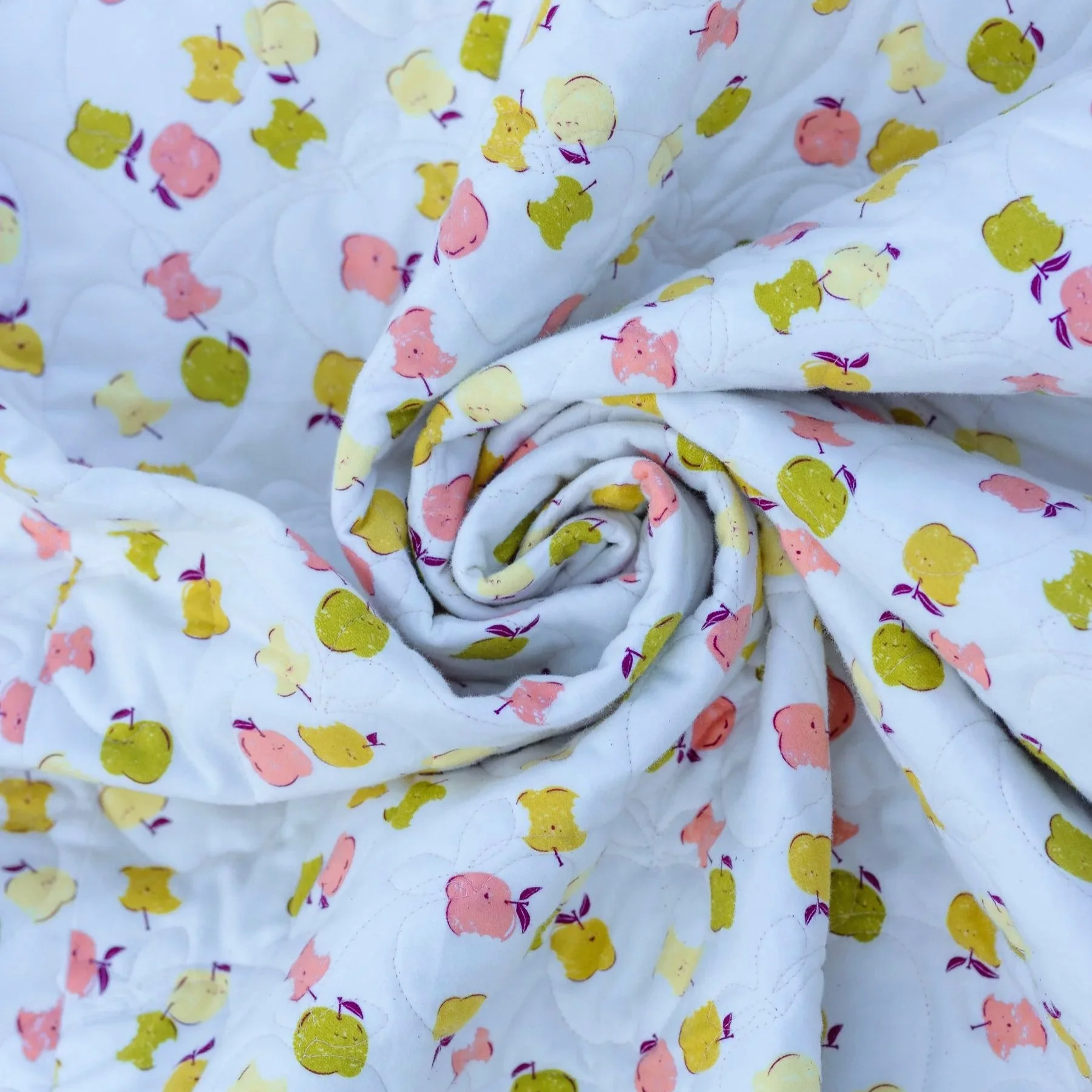
Prioritize quality. First, just like every fabric, flannel has variety to it. While it’s fun to look for the right color and print be sure to prioritize quality. A higher quality flannel will typically have a tighter weave, be less likely to pill or fray over time, will shrink less after the initial washing, and have better color fastness. All of these elements will make working with your selected flannel easier (both for you and your longarmer) and increase the longevity of the finished quilt. Some brands we’ve worked with that we like include but are not limited to Art Gallery, Riley Blake, and Robert Kaufman Mammoth Flannel.
Prewash. The prevailing wisdom with flannel is to pre-wash it with color catchers. Typically, flannel shrinks at a higher rate than quilting cotton and while sometimes this crinkle is fun within a quilt, too much of it can be an unwanted distortion. Flannel also has a reputation for the color bleeding during the first few washes, particularly darker colors in yarn dyed flannels. Prewashing will allow the fabric to do most of its shrinking ahead of the quilting process, and will help wash out those extra dyes without the discoloring. With all this being said, I have found the more modern brands listed above to behave more like typical quilting cottons and less like the box store flannels we were buying 5-10 years ago which is a lovely. However, I would stick by the prewash rule just in case.
Piecing. Looser weave and thicker threads equals more stretch, more fraying at the edges, and thicker seams when piecing flannel together. We have several recommendations that will help when piecing your flannel backing. First, yarn dyed flannel, like the Mammoth flannels, doesn’t typically have a selvedge and as such, you do not have to trim the edges when piecing it together for a backing. Leave that manufacture’s edge intact when possible to help minimize fraying and give you a more stable edge when piecing. However, printed flannels like those from AGF and Riley Blake do still have a selvage but do not tend to fray as much.
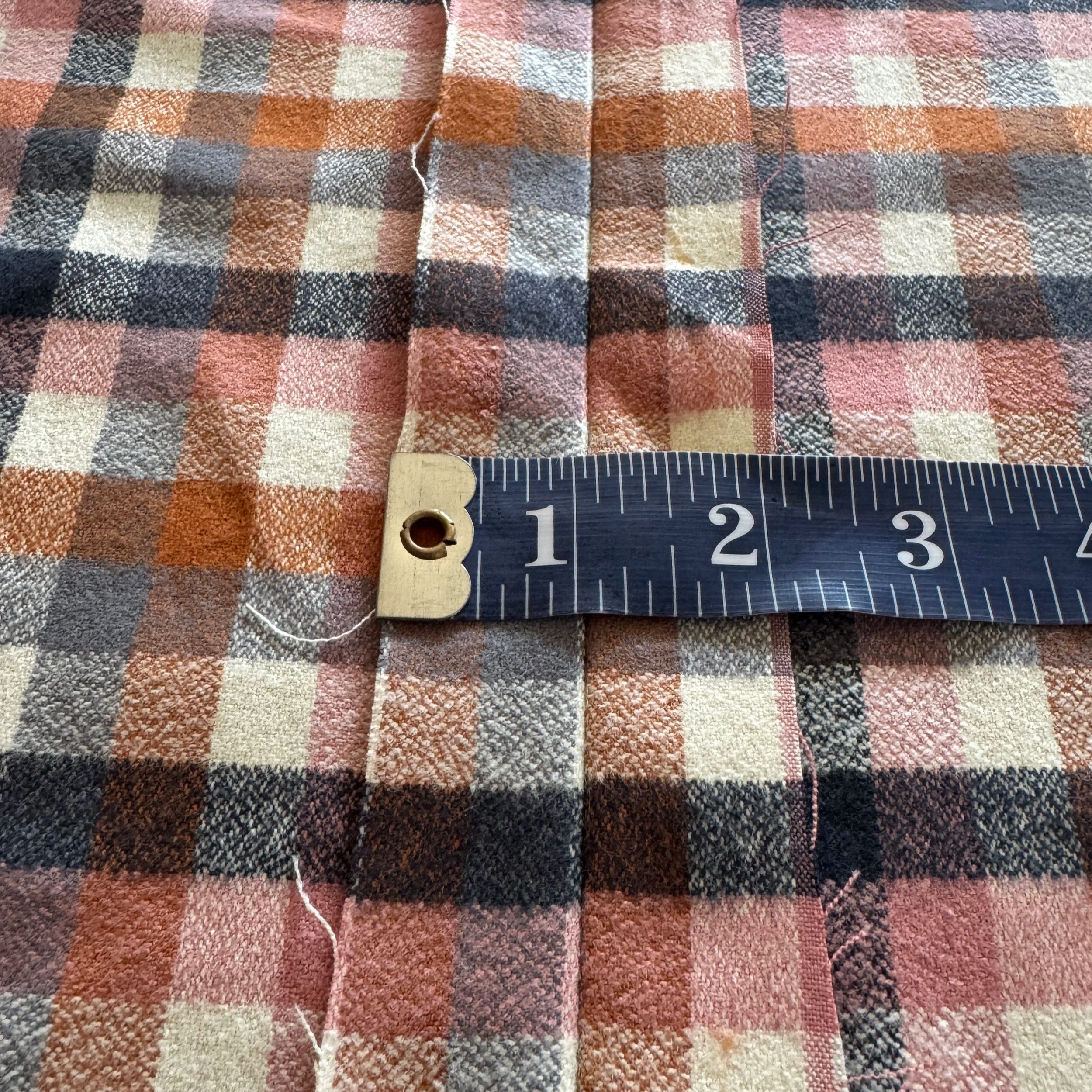
Second, use as few seams as possible. This minimizes unwanted stretch and bulky seams. Third, use a nice, wide, seam allowance; I prefer an inch. This provides additional protection against fraying and it distributes the seam allowance over a larger space avoiding any hard bulky seam lines. This is also helpful during the longarming process as a less bulky seam will allow the machine to move more smoothly around the quilt and it will advance more evenly as we progress. Fourth, pin and/or use a walking foot when piecing to help both sides of the fabric move through your machine at the same rate. If one side of the fabric stretches more than the other as you piece it, the end result might be a slight ruffle along that seam. This is not only unsightly, but can cause all sorts of problems during the longarming process.
Purchase extra. In the general order of a sewing blog post, purchasing fabric usually comes before pre-washing and piecing, but I think this point makes more sense now that we’ve discussed potential shrinkage and using larger seam allowances. Longarmers typically want backings to be 4” larger than the quilt top on all 4 sides (a total of 8” longer and wider than the quilt top). To achieve this, you might need to purchase more than is recommended of a regular quilting cotton.
After quilting: Once the quilt is back home after its spa treatment at TCQ, keep an eye out for further shrinkage or color bleeding for the first couple of washings. Letting a quilt air dry vs using the dryer, and using color catchers in the wash should do the trick. After that, the crinkle, cozy, and warmth factor should be off the charts and I imagine any flannel backed quilt will be a family favorite!
-Lilo